
Zhejiang Youbian Intelligent Technology Co., Ltd.
News

How Do Oil Immersed Transformers Work and Why Are They Essential for Modern Power Systems?

2026-06-03 0 Leave me a message

Article Summary: This article explains the structure, working principle, advantages, applications, and maintenance requirements of oil immersed transformers. It also addresses common customer concerns such as safety risks, efficiency optimization, environmental considerations, and selection criteria. The goal is to provide a clear technical understanding while helping buyers and engineers make informed decisions.

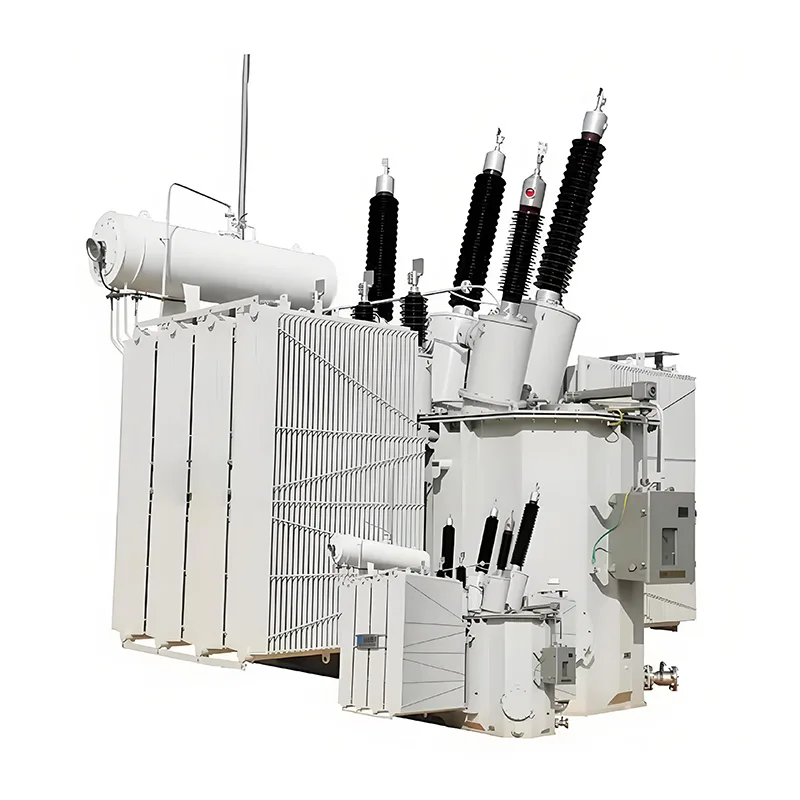
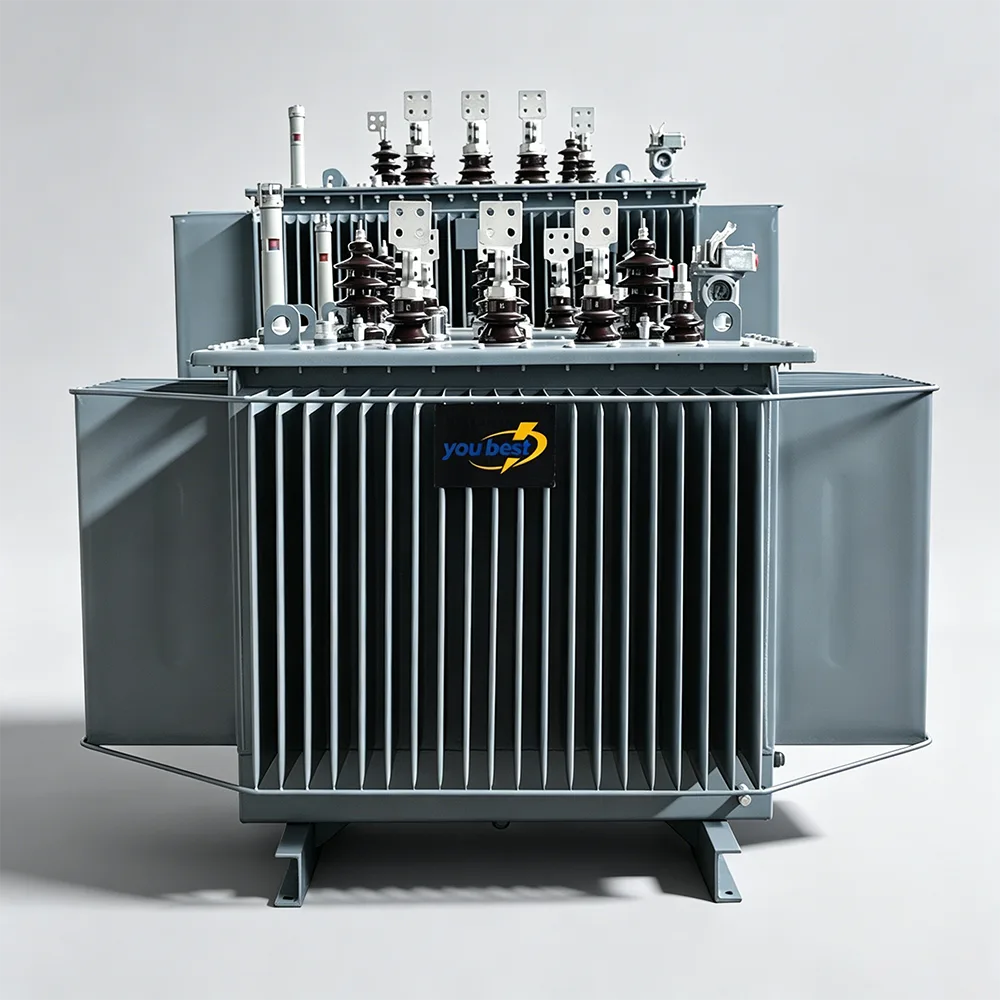
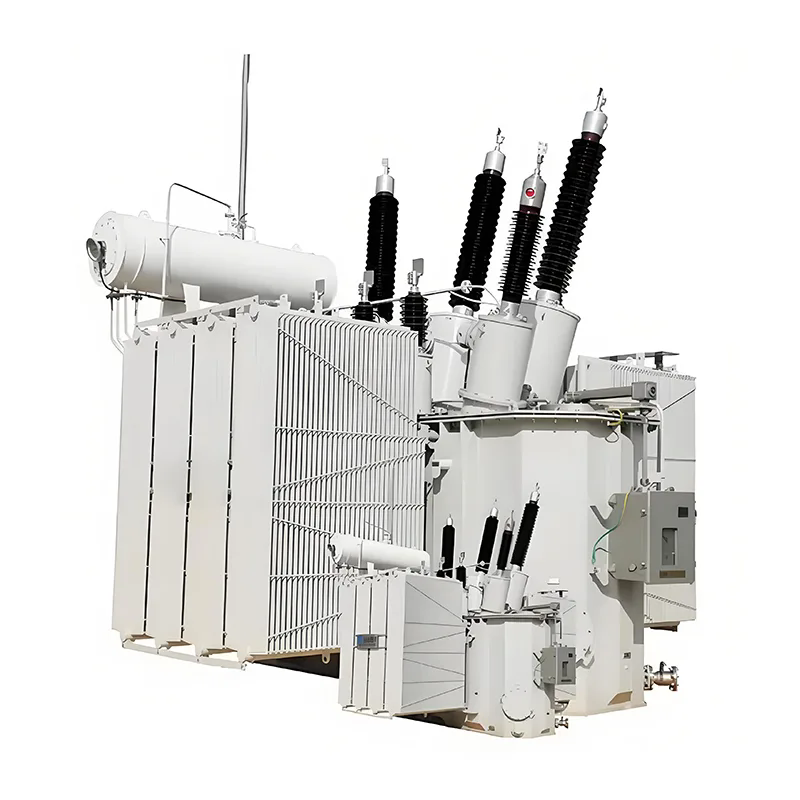
132kv 630000kva Oil Immersed Transformer

Outline:

  • Introduction
  • What is an Oil Immersed Transformer
  • Working Principle
  • Main Components
  • Key Advantages
  • Applications
  • Selection & Design Considerations
  • Maintenance and Safety Practices
  • Environmental and Leakage Concerns
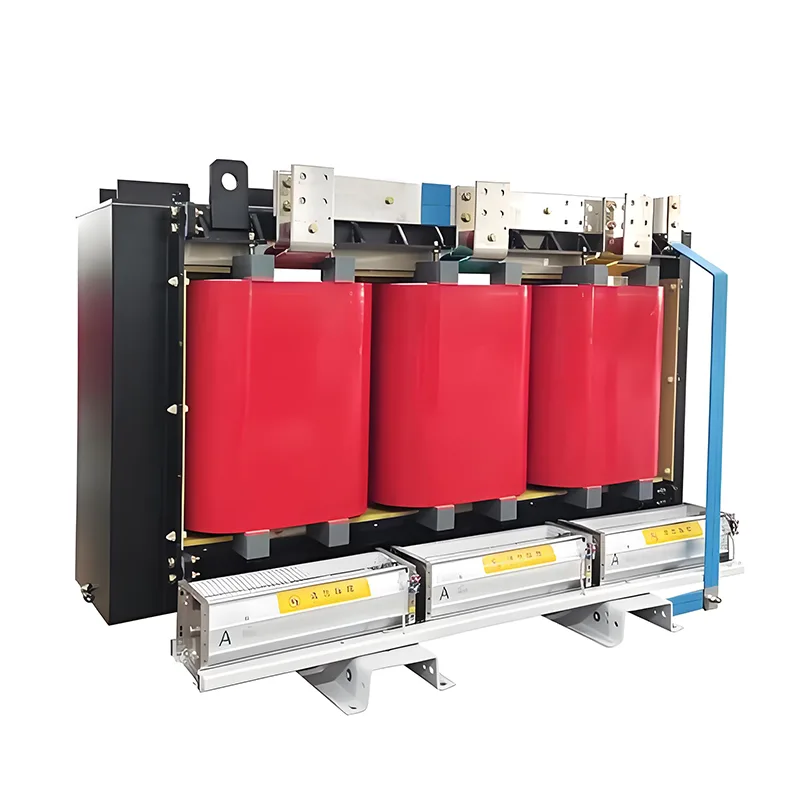
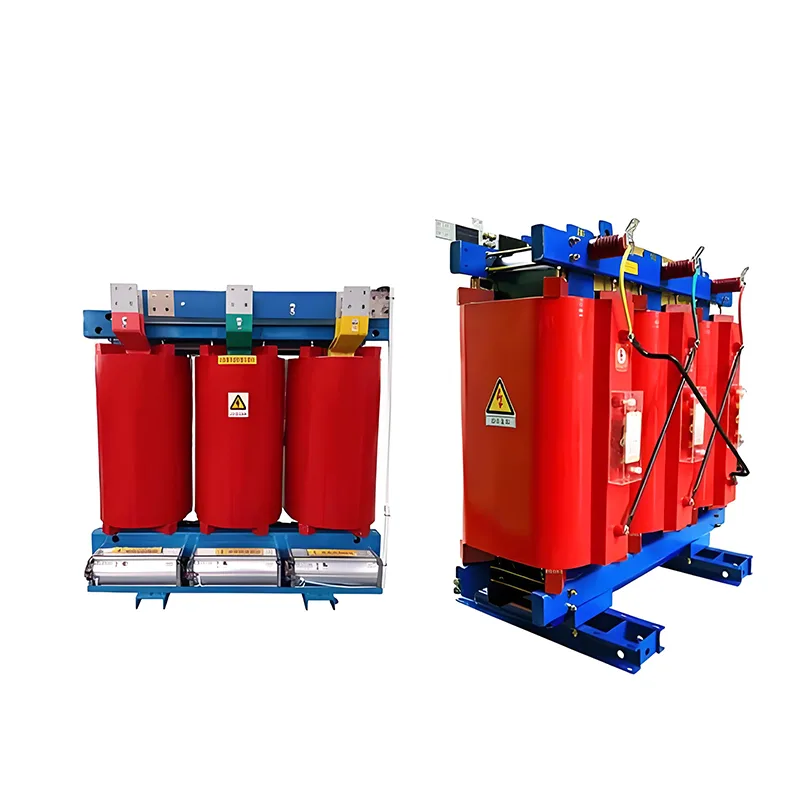
  • Comparison with Dry-Type Transformers
  • Frequently Asked Questions
  • Conclusion

Table of Contents


Introduction

Oil immersed transformers remain one of the most widely used solutions in electrical power distribution and transmission systems. Their reputation is built on high efficiency, robust insulation performance, and strong overload capability. As global energy demand continues to grow, industries, utilities, and infrastructure developers rely heavily on these transformers to ensure stable voltage regulation and safe energy transfer.

Despite their widespread use, many buyers still struggle with understanding how they work, how to maintain them, and what factors should be considered when selecting the right model. This guide addresses those concerns in a structured and practical way.


What is an Oil Immersed Transformer

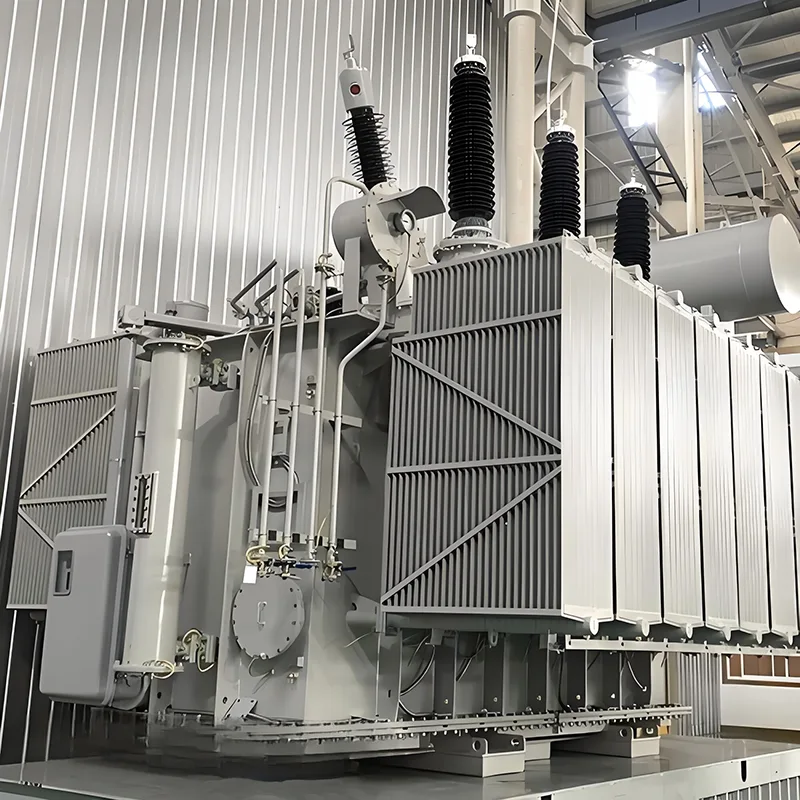
An oil immersed transformer is a type of electrical transformer where the core and windings are fully submerged in insulating oil. This oil serves two primary functions: electrical insulation and heat dissipation.

The transformer oil acts as both a cooling medium and a dielectric barrier, preventing electrical breakdown while efficiently transferring heat generated during operation to the external cooling system.

These transformers are commonly used in medium to high voltage applications due to their reliability and strong thermal performance.


Working Principle

The working principle of an oil immersed transformer is based on electromagnetic induction. When alternating current flows through the primary winding, it generates a magnetic field in the transformer core. This magnetic field induces a voltage in the secondary winding, allowing electrical energy to be transferred between circuits.

The oil plays a critical role in maintaining system stability by:

  • Absorbing heat generated in the windings and core
  • Preventing insulation degradation
  • Eliminating air gaps that could lead to partial discharge

Without oil insulation, high voltage transformers would suffer from overheating and insulation failure under load conditions.


Main Components

Oil immersed transformers consist of several key components working together to ensure reliable performance:

Component Function
Core Provides a magnetic path for energy transfer
Windings Conduct electrical current and enable voltage transformation
Insulating Oil Provides cooling and electrical insulation
Tank Houses the core, windings, and oil safely
Radiators Dissipate heat from transformer oil
Bushings Provide insulated electrical connections

Key Advantages

Oil immersed transformers are preferred in many industries due to their superior performance characteristics:

  • High Efficiency: Reduced energy losses during long-term operation
  • Excellent Cooling: Oil circulation effectively manages heat
  • Strong Overload Capacity: Can handle temporary load surges
  • Long Service Life: Proper maintenance ensures decades of operation
  • Reliable Insulation: Oil reduces the risk of dielectric breakdown

These benefits make them suitable for both urban and industrial power distribution networks.


Applications

Oil immersed transformers are widely used across multiple sectors:

  • Power generation stations
  • Urban electrical grids
  • Industrial manufacturing plants
  • Mining operations
  • Renewable energy integration systems
  • Railway and transportation infrastructure

Their adaptability to high-load environments makes them essential in modern power systems.


Selection & Design Considerations

Choosing the right oil immersed transformer requires careful evaluation of technical and operational parameters:

  • Voltage Rating: Must match system requirements
  • Load Capacity: Consider peak and continuous load
  • Cooling Type: ONAN, ONAF, or forced cooling systems
  • Efficiency Standards: Compliance with regional energy regulations
  • Installation Environment: Indoor, outdoor, humidity, and temperature conditions

Proper selection reduces long-term operational costs and improves system stability.


Maintenance and Safety Practices

Regular maintenance is essential for extending transformer lifespan and preventing failures. Key maintenance tasks include:

  • Routine oil testing for moisture and contamination
  • Thermal monitoring under load conditions
  • Inspection of bushings and seals
  • Cleaning of radiators for efficient cooling
  • Gas analysis for early fault detection

Neglecting maintenance can lead to insulation breakdown, overheating, or even catastrophic failure.
Environmental and Leakage Concerns

One of the major concerns associated with oil immersed transformers is the risk of oil leakage. Transformer oil, if released into the environment, can cause soil and water contamination. Modern designs address this issue through improved tank sealing, containment systems, and biodegradable oil alternatives.

Industries are increasingly adopting eco-friendly insulating fluids and advanced monitoring systems to detect leaks early and prevent environmental damage.

Proper disposal and recycling of transformer oil are also critical components of sustainable operation.


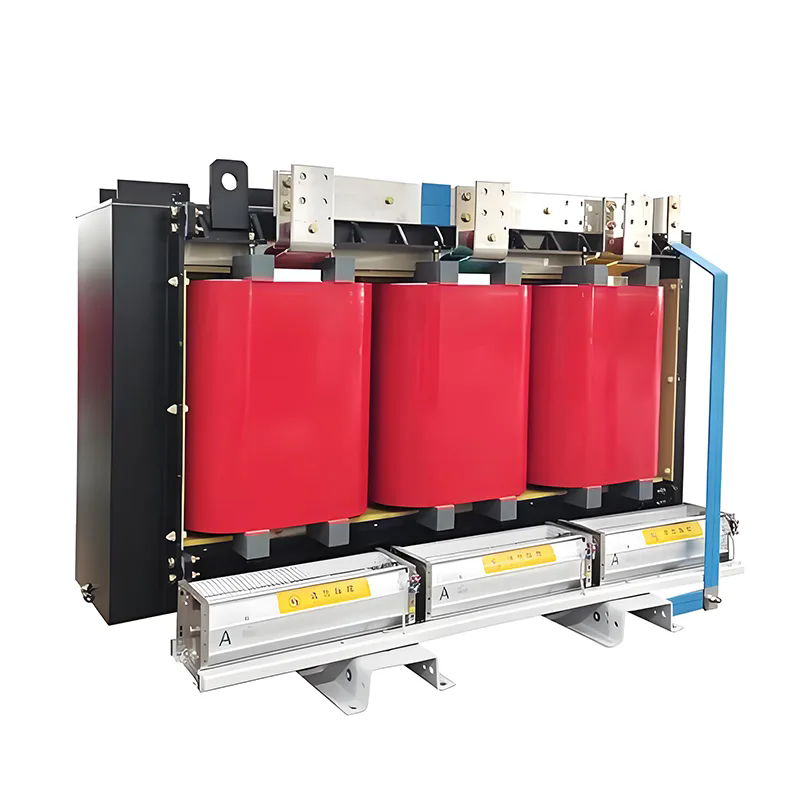
Comparison with Dry-Type Transformers

Feature Oil Immersed Transformer Dry-Type Transformer
Cooling Method Oil-based cooling Air cooling
Efficiency High Moderate
Maintenance Regular oil checks required Lower maintenance needs
Safety Risk of oil leakage Safer in indoor environments
Applications Outdoor, high load systems Indoor, commercial buildings

Frequently Asked Questions

Q1: Why is oil used in transformers?
Oil provides both insulation and cooling, ensuring stable operation under high voltage and load conditions.

Q2: How long does transformer oil last?
With proper maintenance, transformer oil can last 10–20 years, though periodic testing is required to ensure quality.

Q3: What are the main risks of oil immersed transformers?
The primary risks include oil leakage, fire hazards under extreme faults, and environmental contamination if not properly managed.

Q4: Can oil immersed transformers be used indoors?
Yes, but they require additional safety measures such as fire suppression systems and containment structures.

Q5: How do I choose the right transformer supplier?
Look for technical expertise, compliance with international standards, and strong after-sales support. Reliable manufacturers like Youbian provide customized solutions for different industrial requirements. For professional consultation and product details, Youbian offers direct contact us support to assist with your project needs.


Conclusion

Oil immersed transformers remain a cornerstone of modern electrical infrastructure due to their efficiency, durability, and high load capacity. While they require careful maintenance and environmental consideration, their performance advantages make them indispensable in large-scale power systems.

Understanding their structure, operation, and selection criteria helps engineers and buyers make informed decisions that improve system reliability and reduce operational risks.

For advanced transformer solutions and technical support, Youbian provides tailored engineering services and product options. Youbian encourages customers to contact us for detailed specifications, project consultation, and customized transformer solutions designed for long-term performance.

Related News
Leave me a message
X
We use cookies to offer you a better browsing experience, analyze site traffic and personalize content. By using this site, you agree to our use of cookies. Privacy Policy
Reject Accept