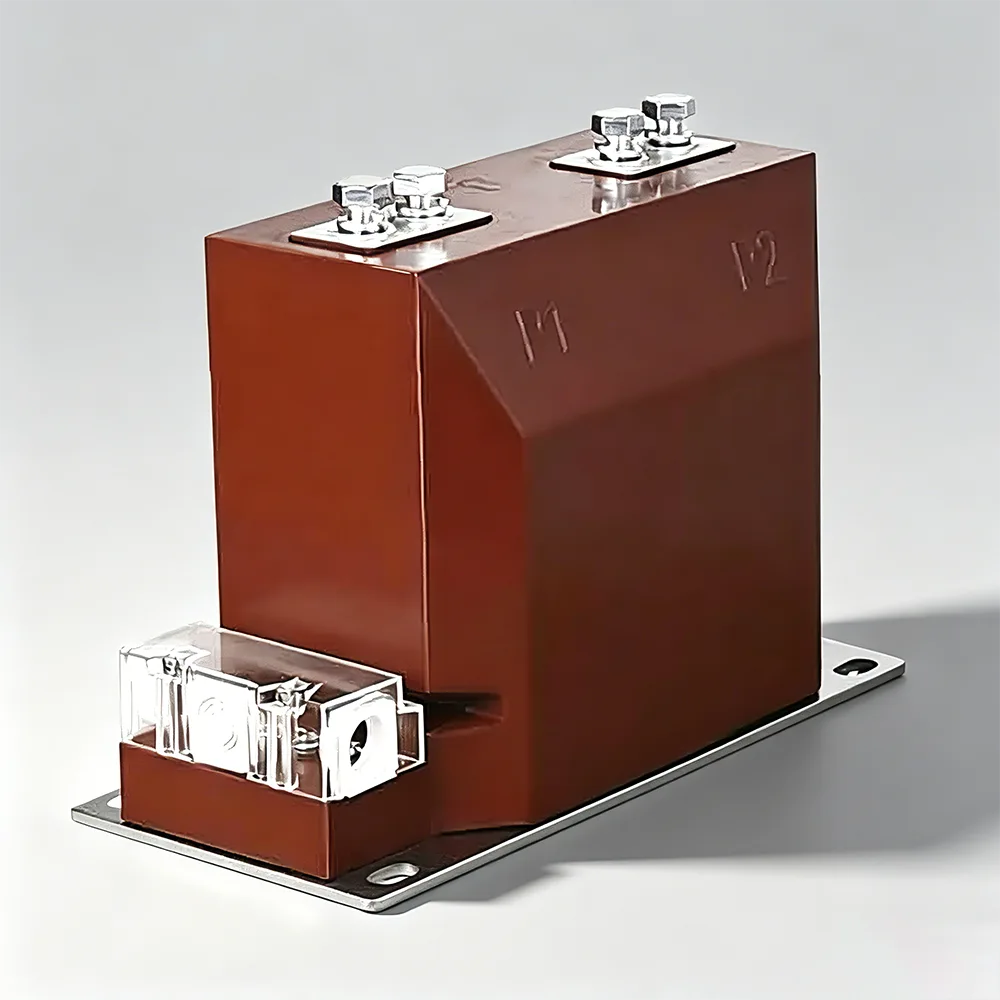
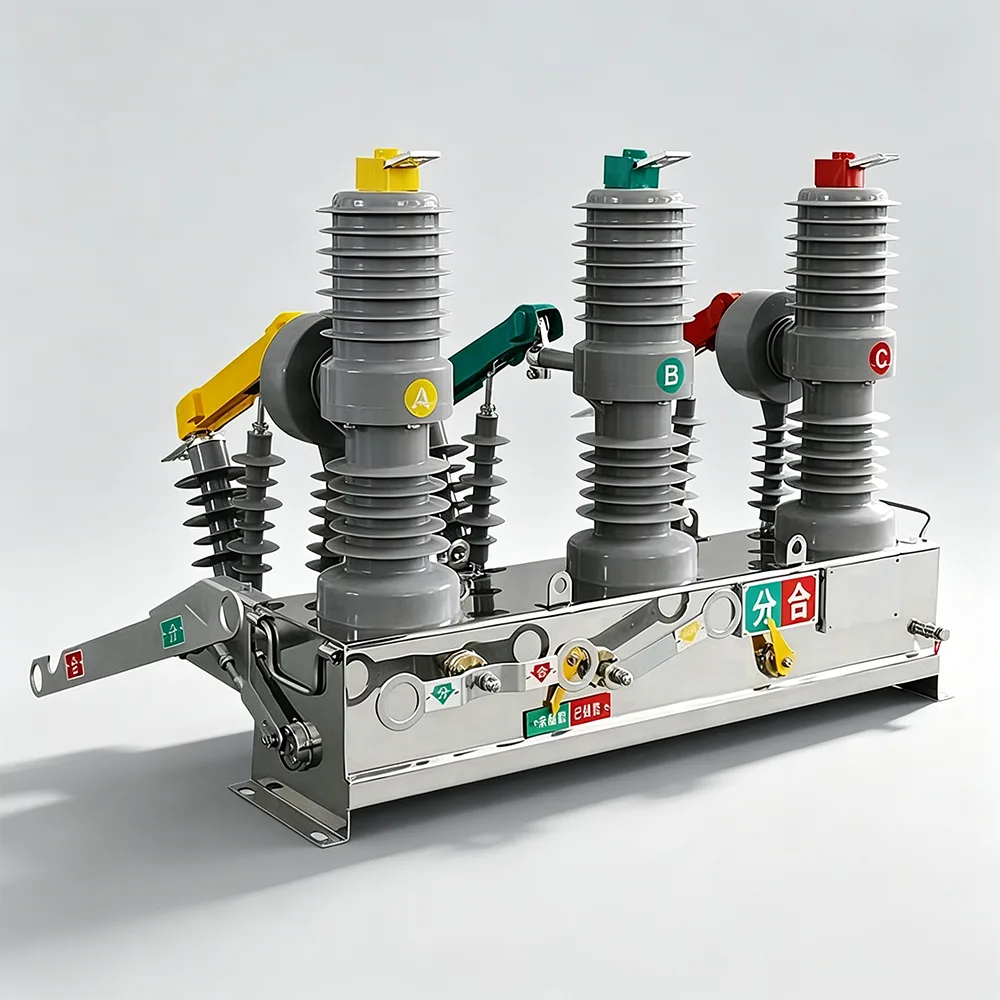
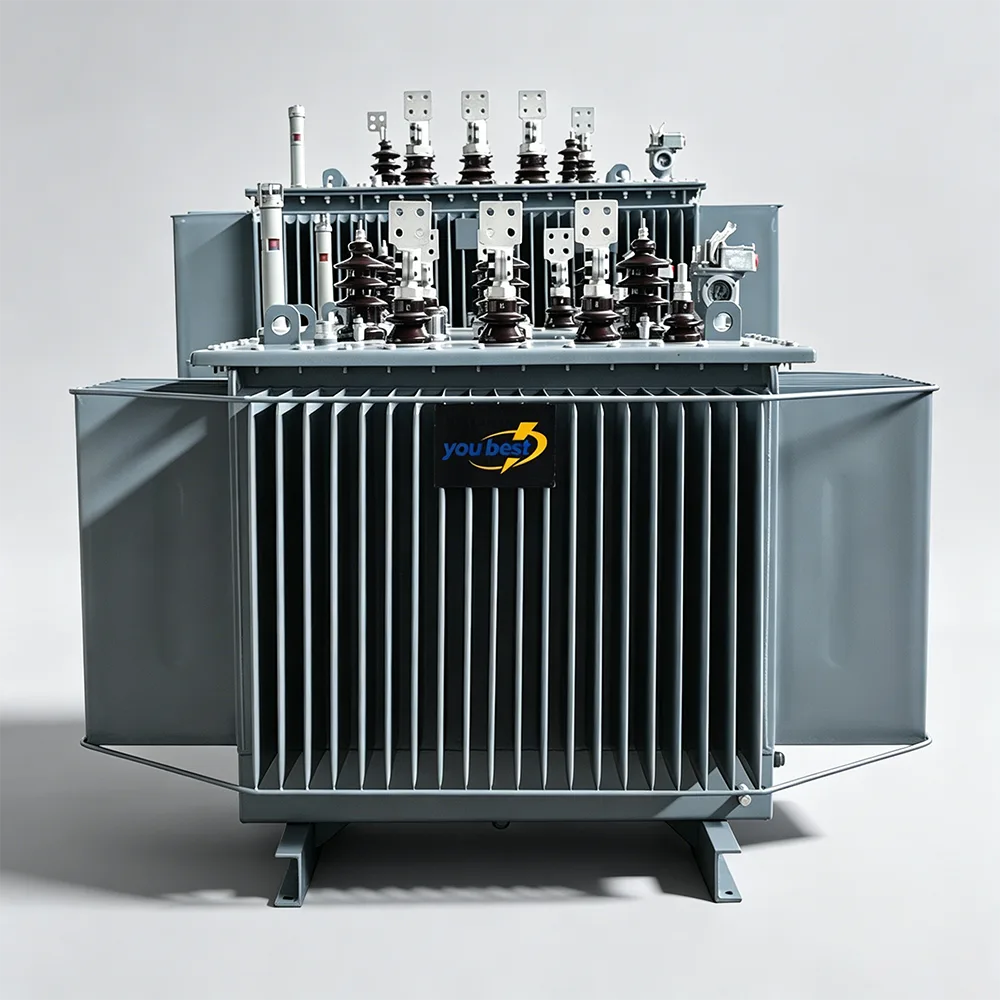
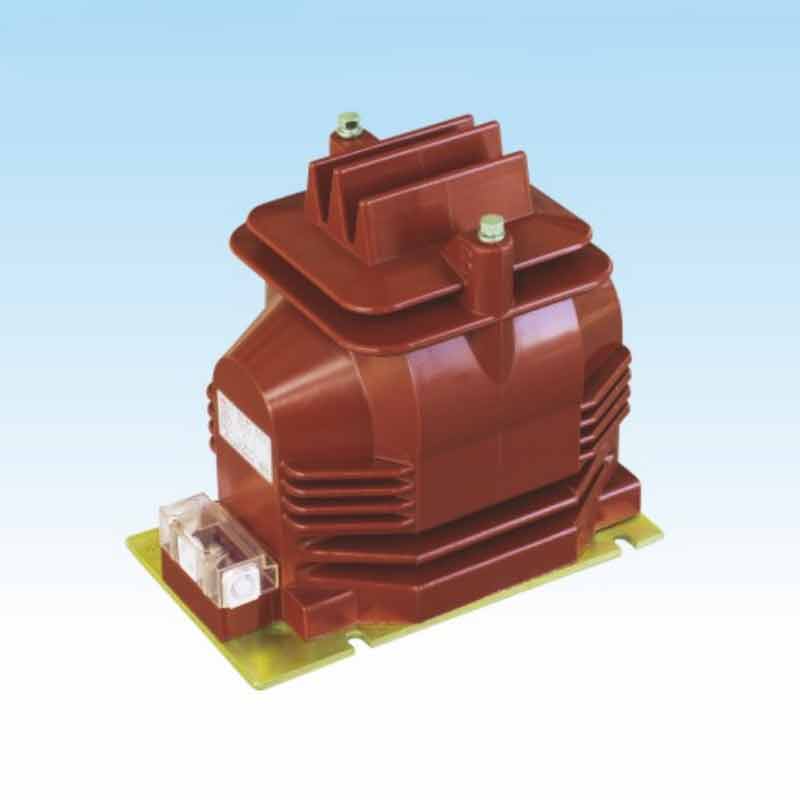
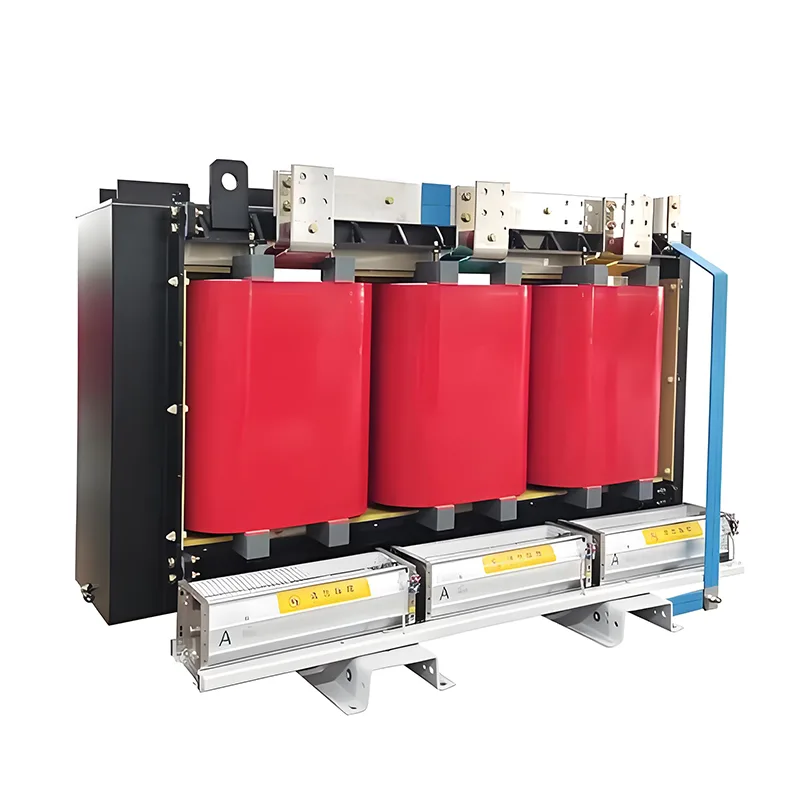
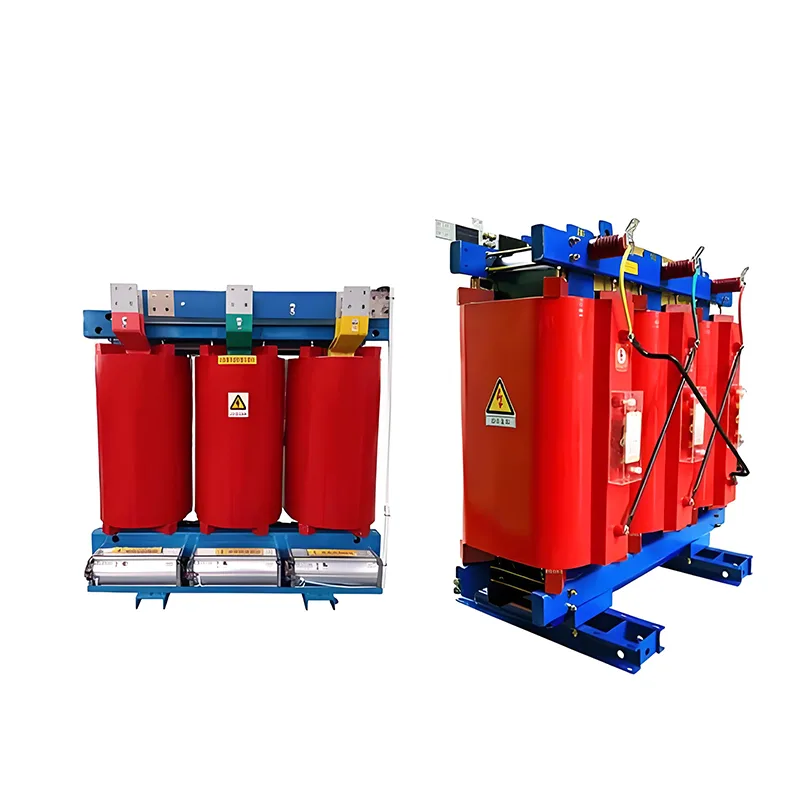
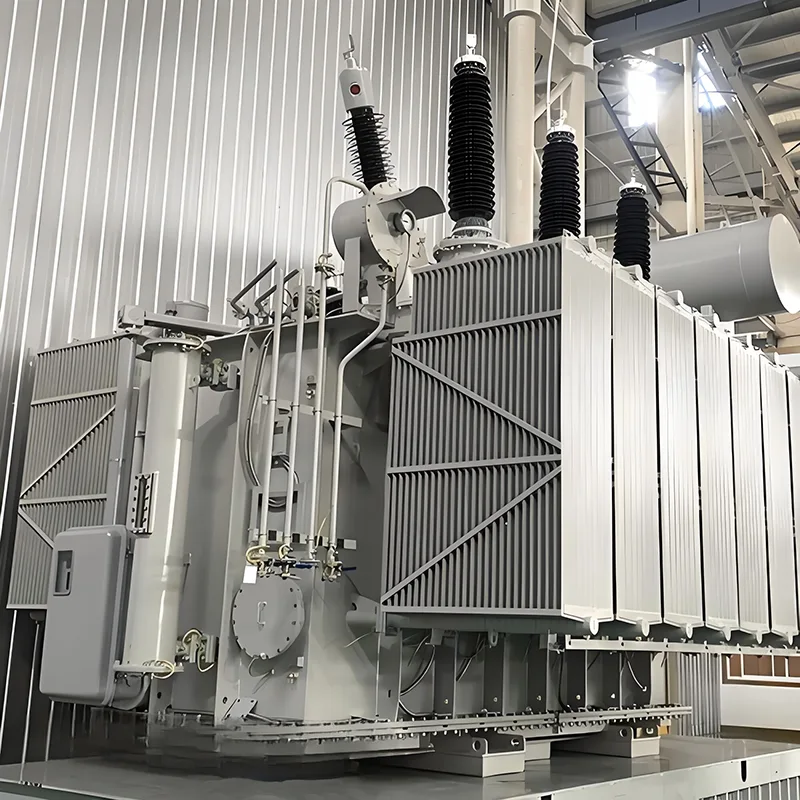
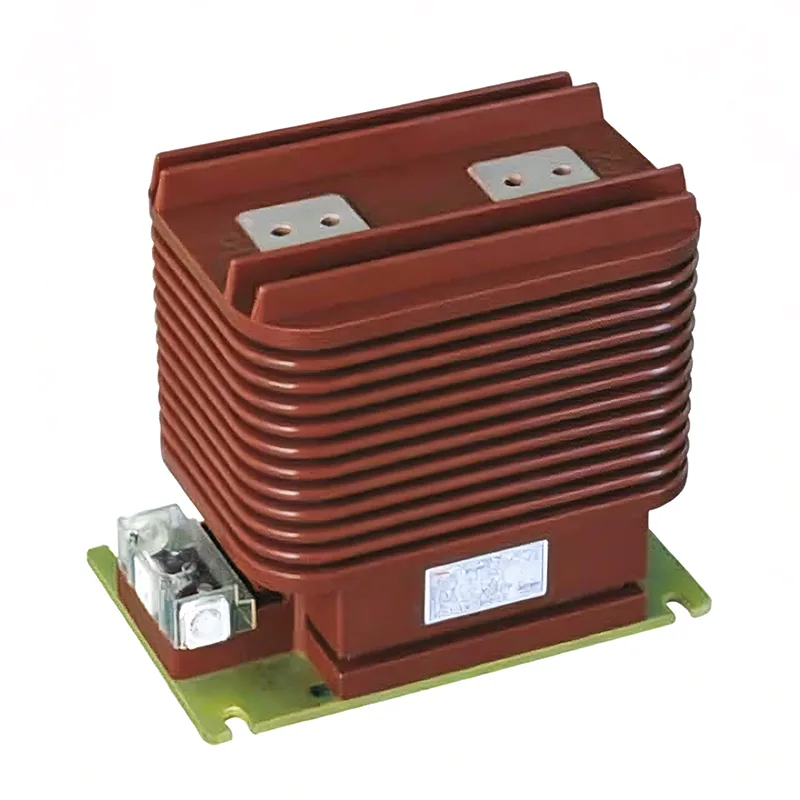
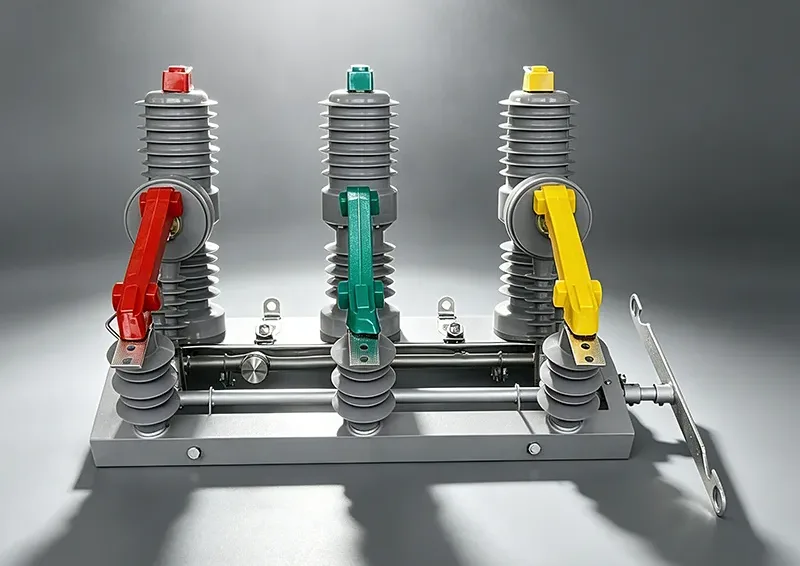
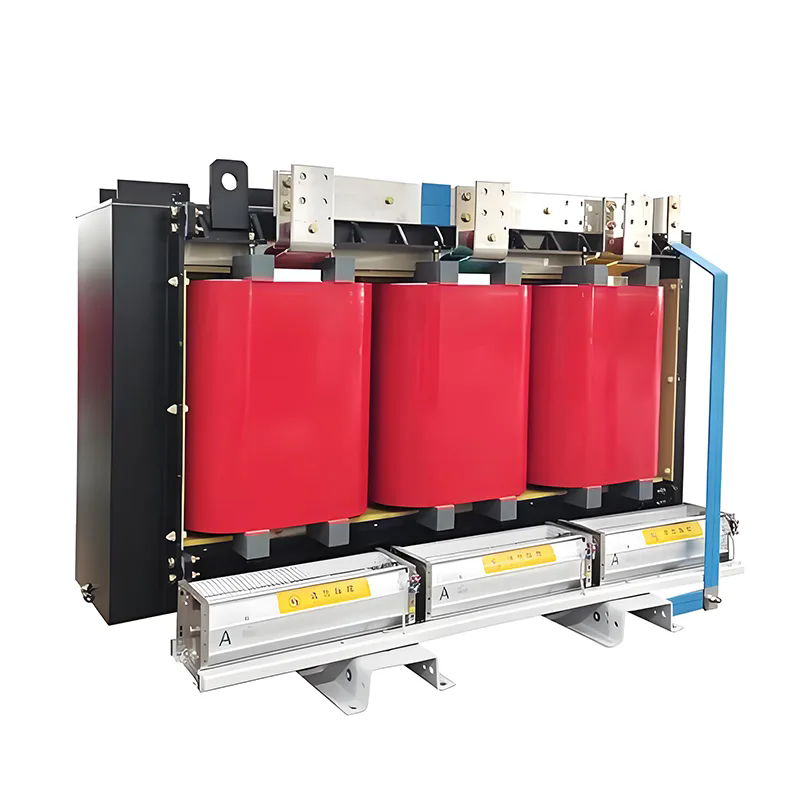
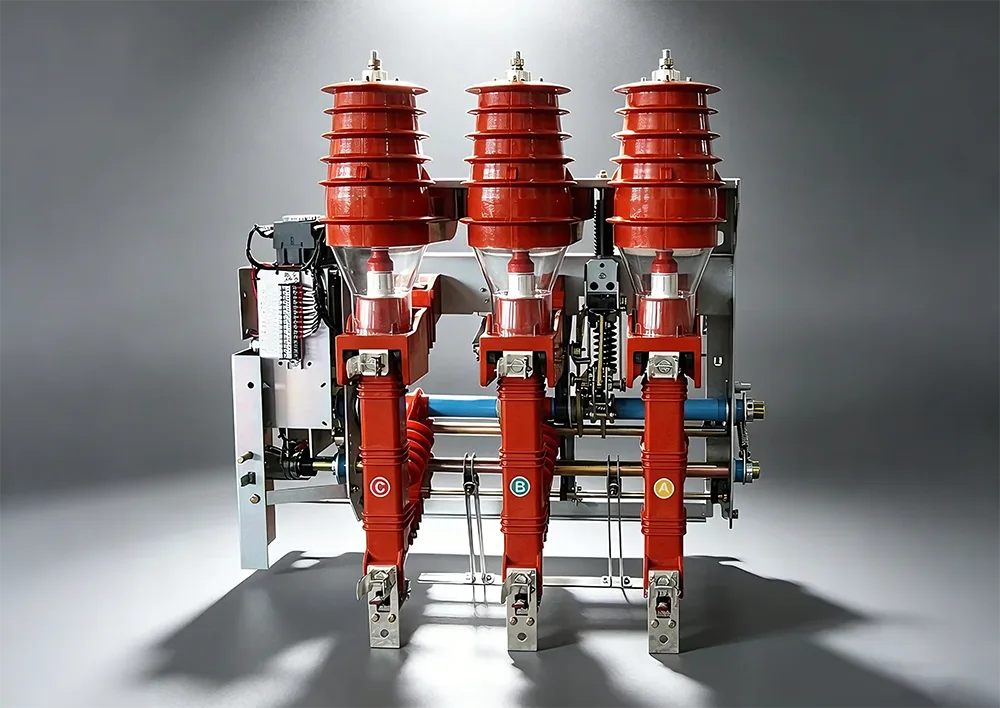
A current transformer is an electrical device that operates based on the principle of electromagnetic induction. It is mainly used to convert the large current in the power system into a smaller current in a proportion, so as to facilitate measurement, protection and control.
1. Working principle and structural features
Electromagnetic induction principle: The current transformer connects the primary winding (with fewer turns) in series in the circuit to be measured, and the secondary winding (with more turns) is connected to the measurement or protection equipment to achieve proportional conversion of current.
Approximate short-circuit state: The secondary side is usually connected to low-impedance instruments or relays, and operates in a state close to a short circuit to ensure the accuracy of current transmission.
2. Electrical Isolation and Safety
High Voltage Isolation: High voltage systems are isolated from the measuring instruments through transformers to protect the operators and equipment from harm.
Secondary side must not be open-circuited: If the secondary side is open-circuited, it will cause high voltage hazards, which may damage the equipment or endanger personal safety. Therefore, it is necessary to ensure that the secondary circuit is always closed.
3. Measurement and Protection Functions
Electrical current transformer for measurement: Used for precise measurement within the normal current range. Common accuracy grades include 0.2, 0.5, and 1 level, etc.
Protective current transformer: Provides fault current information in fault conditions, such as 5P and 10P levels, with a high accuracy limit factor and anti-saturation capability.
4. Classification and Type Diversity
By function: divided into two categories: measurement type and protection type.
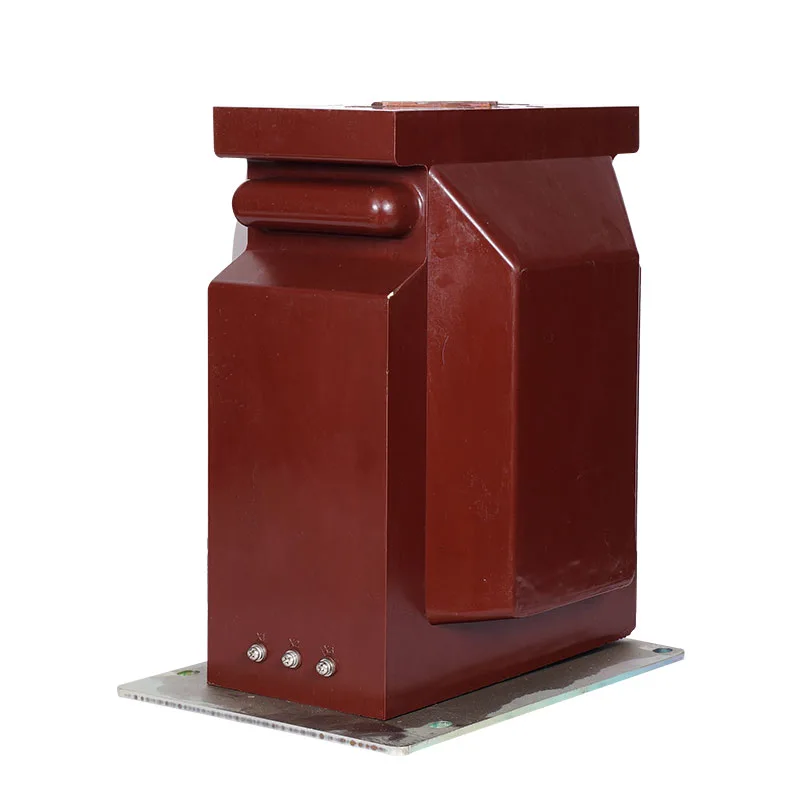
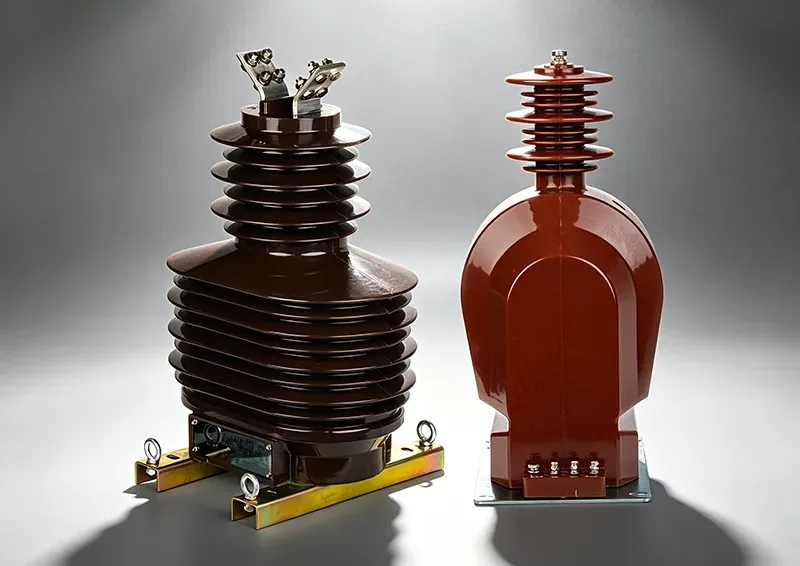
By insulation medium: including dry type, cast type, oil-immersed type and gas-insulated type.
According to the installation method: such as through-type, pillar-type, sleeve-type and busbar-type.
We use cookies to offer you a better browsing experience, analyze site traffic and personalize content. By using this site, you agree to our use of cookies.
Privacy Policy